
Osteoporosis: Symptoms, What is it, and Treatment

Author MUDr. Peter Bednarčík CSc.
Revision
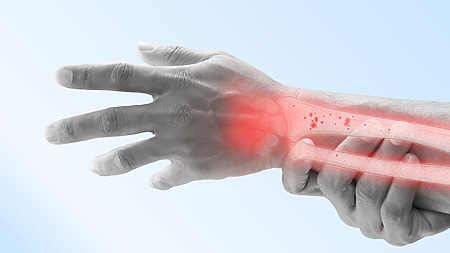
Are you experiencing back pain, deteriorating posture and repeatedly dealing with fractures? Osteoporosis may be to blame. It is a disease in which bone loss occurs.
What treatment options are there for this disease? Who is most at risk and why? What are the practical recommendations?
How to deal with symptoms such as pain? Read more here.
Symptoms of osteoporosis
In the early stages, patients usually have no discomfort or pain. Often they only find out about the disease when they suffer a fracture. [1]
Common manifestations include:
- Repeated fractures, which occur in situations that would not normally cause a fracture (a minor fall, picking up objects, or even just coughing), [2]
- back pain,
- deterioration of posture and visible reduction in body height. [3]

Only a doctor can make a correct diagnosis. Do not use this or any other article on the internet to make a diagnosis. Do not delay seeing a doctor and address your condition early.
Osteoporosis - description and causes

Osteoporosis – what is it?
It is a musculoskeletal disease in which bone density changes. Bone tissue thins and loses calcium and other minerals. The result is brittle and weak bones. Even a minor bump or fall can cause a fracture in osteoporosis – hips and wrists are most commonly affected. Osteoporosis of the spine, which causes vertebral fractures, is no exception.
The greatest risk of developing is in postmenopausal women (postmenopausal osteoporosis), but disease is also common in men. [4]
Osteoporosis - risk factors

Risk factors that increase the likelihood of developing disease include:
- Gender – women are a higher risk group than men,
- age – the risk of disease increases with age,
- lifestyle – regular physical activity helps keep bones in good shape. Conversely, a passive lifestyle and excessive alcohol consumption are harmful to bone health.
- general health – some chronic diseases increase the risk of thinning bones (thyroid disease, digestive diseases or rheumatoid arthritis),
- medications – long-term treatment with corticosteroids, antiepileptic drugs or certain cancer drugs contribute to bone thinning,
- family burden – history of this condition in parents or siblings is a risk factor. [5],[6]
Estrogen and osteoporosis
One of the reasons why women are more at risk than men is hormonal factors. Reduced estrogen levels, which are typical of menopause, weaken the bones and are one of the main risk factors. [7]
Grades of osteoporosis
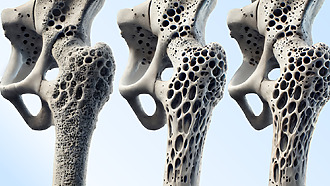
The severity of disease is assessed using four grades.
- Stage 1 – bone loss and bone formation are in balance, patients have no pain.
- Stage 2 – patients have less bone mass than normal for healthy peers. Sometimes this stage is called osteopenia, the precursor to “true” osteoporosis. The loss of bone mass is faster than the formation of new bone cells. Some people do not experience any discomfort at this stage.
- Stage 3 – bone thinning is more pronounced, the bones are weakened and break easily.
- Stage 4 – the most serious condition with a high risk of fractures. Changes in the spine can adversely affect posture and cause pain (end-stage osteoporosis). [8]
Diagnosis of osteoporosis
A medical examination is recommended if you experience pain or discomfort in areas typical of osteoporotic fractures (for example, the wrist). Back pain accompanied by noticeable changes in posture can also be a reason to see a doctor. Medical consultation for disease is appropriate for people who have been taking corticosteroids for a long time or if women have gone through premature menopause. [9],[10]
When examining it, the doctor is interested in the exact description of the problem, the general state of health and the medications taken.
The main examination method is densitometry – examination of bone density and mineral content in bone mass.
- It is a painless, uncomplicated procedure reminiscent of an X-ray.
- Depending on the result, the doctor will assess the risk of osteoporosis-related fractures and recommend appropriate treatment.
- Repeated densitometry helps to monitor the progress and success of therapy. [11]
T-score osteoporosis
The result of the densitometric examination is the so-called T-score. This is a comparison of the measured values with the tabulated values of bone density in young healthy subjects.
- Value -1 and higher: indicates normal bone condition
- Value -1.1 to -2.4: mild bone loss, osteopenia
- Value -2.5 and lower: the patient has osteoporosis [12]
Did you know?
- It is the most common cause of fractures in postmenopausal women and in elderly men. [13]
- Statistics show that one in two women and one in four men over the age of 50 will experience an osteoporotic fracture at some point in their lives. [14]
- It affects approximately 200 million people worldwide. [15]
Complications when left untreated
If disease is not treated, complications can occur.
- Increased risk of fractures. Most often of the vertebrae, hip, wrist and other bones.
- Chronic pain. Fractures can cause permanent pain that affects quality of life.
- Reduced mobility. It can lead to an inability to carry out normal daily activities.
- Disability. Severe fractures can cause disability and significantly increase the risk of death in the first year after the injury. [16]

Fractures

Chronic pain

Reduced mobility

Disability
We recommend not postponing treatment for osteoporosis
Do not delay treatment and see a specialist if you have any health problems or doubts about your health. This will prevent unnecessary health complications.
Treatment of osteoporosis
Treatment is based on the results of densitometry and the T-score. Based on all the information, the doctor can estimate the risk of fractures in the next 10 years.
If the risk is low, treatment does not need to be based on taking medication. Patients focus more on eliminating risk factors, lifestyle modification and fall prevention.
If the patient’s condition requires treatment with drugs, bisphosphonates are mainly used (they prevent loss of bone density). It is among the prescription drugs for this condition.
Biological treatment helps against bone loss and reduces the risk of fractures.
Patients are concerned about whether treatment is free of side effects with both therapies. Bisphosphonates may cause nausea, abdominal pain, or headache.
Osteoporosis medication - other treatment options:
- Hormone therapy (estrogen, which is started soon after menopause) helps keep bone mass in good condition. However, it can increase the risk of breast cancer and blood clots. [17]
- Taking parathyroid hormone, which stimulates mineralization of bone structures, can lead to improved bone density. [18]
- Drugs that promote the formation of new bone mass are usually taken for a maximum of two years.
- A new therapy involves a drug that contributes to bone formation. Patients receive injections at monthly intervals. [19]
The best medication is always recommended by the doctor individually for each patient.
Beware
Treatment can only be determined by your doctor after considering your overall health. Therefore, do not use this article as a guide to treatment, which can only be determined by a doctor.
Osteoporosis natural treatment

Alternative methods of treating, especially herbal remedies, should first be consulted with a doctor.
Osteoporosis herbs
For example, red clover is used (it contains substances with similar effects to estrogen, alleviating the symptoms of menopause) or other herbs containing phytoestrogens. These substances can help prevent bone loss.
Acupuncture stimulates the natural activity of the body and often complements herbal therapy. [20]
Osteoporosis: diet and vitamins
A healthy, varied diet and sufficient vitamins play an important role in the prevention and treatment. It’s never too late to adjust your eating habits. Therefore, familiarize yourself with the basic rules of a proper diet.
Nutrition
- Bones need calcium.
Natural sources are dairy products, beans, kale or soy. Calcium can also be obtained from dietary supplements.How much calcium a day?
The recommended dose for women under 50 years of age is 1000 mg per day, over 50 years of age the dose is 1200 mg per day.
Men up to 70 years of age should have a daily intake of 1000 mg of calcium, above 70 years of age the dose increases to 1200 mg.
When taking calcium for a long time, be careful to balance magnesium intake 2:1 in favour of calcium. - Sufficient vitamin D is needed for proper calcium absorption.
Suitable sources are oily fish, egg yolk or cod liver. However, natural sources are often not enough and vitamin D must be obtained from supplements. What is the recommended dose of vitamin D?
The daily dose for people under the age of 70 is 600 IU (international unit), for older people 800 IU is recommended. - Potassium improves calcium metabolism
Therefore, it should not be missing in the diet. Potassium is found in bananas, potatoes, plums and spinach. - Diet should, of course, contain all essential nutrients and especially sufficient protein. [21]
- Excessive salting can lead to increased urinary calcium excretion.
Therefore, follow the recommended maximum of 6 g of salt per day (approximately 1 teaspoon). [22]
Alcohol
Excessive alcohol consumption negatively affects bone density. Experts recommend drinking no more than 14 units of alcohol per week – one unit roughly translates to a small “shot” of hard liquor or one small beer. [23]
Coffee
Large amounts of caffeine can contribute to an imbalance in calcium management in the body. So remember to drink coffee and other caffeinated beverages in moderation. With regard to calcium, you can “improve” coffee with milk. [24]
Prevention of osteoporosis
There is a lot you can do for your bone health. The basis is a good, healthy diet and regular exercise. In the prevention is essential:
- sufficient intake of calcium and vitamin D,
- an active lifestyle without alcohol and cigarettes,
- regular check of bone density (densitometry).
Don’t forget practical tips to avoid falls and accidents. It pays to remove loose rugs and other objects from the floor and use sturdy grab bars in the bathroom. Make sure you have enough light in your home so you don’t trip over anything. [25]
The importance of exercise and physical activity
Regular weight training exercises contribute to bone health and build strong muscles. Thanks to the muscles, the musculoskeletal system has sufficient support and can better cope with everyday activities and more demanding activities. Exercises that focus on flexibility and balance reduce the risk of falls and subsequent fractures. [26] A physiotherapist who has experience with disease can prepare a suitable training plan for you.
Note: Exercises – yoga improves balance and strength.
Quality of life in osteoporosis
Studies show that patients have a poorer quality of life. Not only is the increased risk of fractures and the associated limitations to be blamed, but especially the osteoporotic fractures themselves and the subsequent disability that may result. [27]
Various patient associations and organisations can be used to help patients cope better with their illness and support their quality of life. They raise awareness, organise patient meetings or provide practical tips for living with disease. In the UK, people can contact the Royal Osteoporosis Society (https://theros.org.uk/). [28]
New developments in the treatment of osteoporosis
The topic of osteoporosis is addressed by many professional research institutes. In the spring of 2024, Japanese scientists published findings on a key protein that could prevent excessive bone loss. [29] However, research is also moving in an alternative direction – American experts have recently found that some substances in ginseng have the potential to work against osteoporosis. [30]

Important information when dealing with osteoporosis
- It is a disease of the musculoskeletal system in which bone loss and thinning occurs.
- The disease mainly affects women after menopause, but men of retirement age can also have problems.
- The treatment and regimen are determined by the doctor on the basis of a densitometric examination (checking the density of bone tissue).
- Patients should ensure a proper diet and regular exercise. Preventing falls is important because of the increased risk of fractures.
Summary and recommendations in the management of osteoporosis
See a doctor
Treatment is always determined by your doctor based on a general examination, an assessment of your health and an accurate diagnosis.
Causal treatment of osteoporosis
After a general examination, your doctor will recommend treatment for the cause of disease. They will also advise you on possible lifestyle adjustments and the next course of action.
Pain relief
Symptomatic treatment focuses on the manifestations or signs (symptoms) of the disease. Such treatment can significantly improve your quality of life and support comprehensive treatment during the course of the disease.
Sources, references and literature
[1] Osteoporosis. National Institute of Arthritis and Musculoskeletal and Skin Diseases, December 2022. Available on: https://www.niams.nih.gov/health-topics/osteoporosis
[2] Osteoporosis. National Institute of Arthritis and Musculoskeletal and Skin Diseases, December 2022. Available on: https://www.niams.nih.gov/health-topics/osteoporosis
[3] Osteoporosis. Mayo Clinic, 24. February 2024. Available on: https://www.mayoclinic.org/diseases-conditions/osteoporosis/symptoms-causes/syc-20351968
[4] Osteoporosis. Mayo Clinic, 24. February 2024. Available on: https://www.mayoclinic.org/diseases-conditions/osteoporosis/symptoms-causes/syc-20351968
[5] Osteoporosis. Mayo Clinic, 24. February 2024. Available on: https://www.mayoclinic.org/diseases-conditions/osteoporosis/symptoms-causes/syc-20351968
[6] Osteoporosis. National Institute of Arthritis and Musculoskeletal and Skin Diseases, December 2022. Available on: https://www.niams.nih.gov/health-topics/osteoporosis
[7] Osteoporosis. Mayo Clinic, 24. February 2024. Available on: https://www.mayoclinic.org/diseases-conditions/osteoporosis/symptoms-causes/syc-20351968
[8] Haye V. What to know about the four stages of osteoporosis. Medical News Today, 24. January 2023. Available on: https://www.medicalnewstoday.com/articles/stages-of-osteoporosis
[9] Haye V. What to know about the four stages of osteoporosis. Medical News Today, 24. January 2023. Available on: https://www.medicalnewstoday.com/articles/stages-of-osteoporosis
[10] Osteoporosis. Mayo Clinic, 24. February 2024. Available on: https://www.mayoclinic.org/diseases-conditions/osteoporosis/symptoms-causes/syc-20351968
[11] MacGill M. What to know about osteoporosis. Medical News Today, 14. November 2023. Available on: https://www.medicalnewstoday.com/articles/155646
[12] MacGill M. What to know about osteoporosis. Medical News Today, 14. November 2023. Available on: https://www.medicalnewstoday.com/articles/155646
[13] Osteoporosis. National Institute of Arthritis and Musculoskeletal and Skin Diseases, December 2022. Available on: https://www.niams.nih.gov/health-topics/osteoporosis
[14] What is Osteoporosis and What Causes It? Bone Health & Osteoporosis Foundation, 2024. Available on: https://www.bonehealthandosteoporosis.org/patients/what-is-osteoporosis/
[15] Rizzo M., Tammaro G., Guarino A. et al. Quality of Life in osteoporotic patients. Orthop Rev (Pavia). 2022 Oct 13; 14 (6): 38562, doi: 10.52965/001c.38562. Available on: https://www.ncbi.nlm.nih.gov/pmc/articles/PMC9568431/
[16] Osteoporosis. Mayo Clinic, 24. February 2024. Available on: https://www.mayoclinic.org/diseases-conditions/osteoporosis/symptoms-causes/syc-20351968
[17] Osteoporosis. Mayo Clinic, 24. February 2024. Available on: https://www.mayoclinic.org/diseases-conditions/osteoporosis/symptoms-causes/syc-20351968
[18] Osteoporosis: What You Need to Know as You Age. Johns Hopkins Medicine, 2024. Available on: https://www.hopkinsmedicine.org/health/conditions-and-diseases/osteoporosis/osteoporosis-what-you-need-to-know-as-you-age
[19] Osteoporosis. Mayo Clinic, 24. February 2024. Available on: https://www.mayoclinic.org/diseases-conditions/osteoporosis/symptoms-causes/syc-20351968
[20] Whitworth G. Osteoporosis Alternative Treatments. Healthline, 15. August 2019. Available on: https://www.healthline.com/health/osteoporosis-alternative-treatments
[21] Osteoporosis: What You Need to Know as You Age. Johns Hopkins Medicine, 2024. Available on: https://www.hopkinsmedicine.org/health/conditions-and-diseases/osteoporosis/osteoporosis-what-you-need-to-know-as-you-age
[22] Are there any foods I should avoid? Royal Osteoporosis Society, December 2021. Available on: https://theros.org.uk/information-and-support/bone-health/nutrition-for-bones/are-there-any-foods-i-should-avoid/
[23] Are there any foods I should avoid? Royal Osteoporosis Society, December 2021. Available on: https://theros.org.uk/information-and-support/bone-health/nutrition-for-bones/are-there-any-foods-i-should-avoid/
[24] Are there any foods I should avoid? Royal Osteoporosis Society, December 2021. Available on: https://theros.org.uk/information-and-support/bone-health/nutrition-for-bones/are-there-any-foods-i-should-avoid/
[25] MacGill M. What to know about osteoporosis. Medical News Today, 14. November 2023. Available on: https://www.medicalnewstoday.com/articles/155646
[26] MacGill M. What to know about osteoporosis. Medical News Today, 14. November 2023. Available on: https://www.medicalnewstoday.com/articles/155646
[27] Rizzo M., Tammaro G., Guarino A. et al. Quality of Life in osteoporotic patients. Orthop Rev (Pavia). 2022 Oct 13; 14 (6): 38562, doi: 10.52965/001c.38562. Available on: https://www.ncbi.nlm.nih.gov/pmc/articles/PMC9568431/
[28] Support in your area. Royal Osteoporosis Socienty, 2024. Available on: https://theros.org.uk/information-and-support/support-for-you/support-in-your-area/
[29] New study reveals key protein that could help prevent excessive bone loss in osteoporosis. Science Daily, 30. May 2024. Available on: https://www.sciencedaily.com/releases/2024/05/240530132336.htm
[30] Compounds in female ginseng could lead to new osteoporosis treatments. Science Daily, 21. February 2024. Available on: https://www.sciencedaily.com/releases/2024/02/240221160418.htm
How to control pain?





































.png "ph")